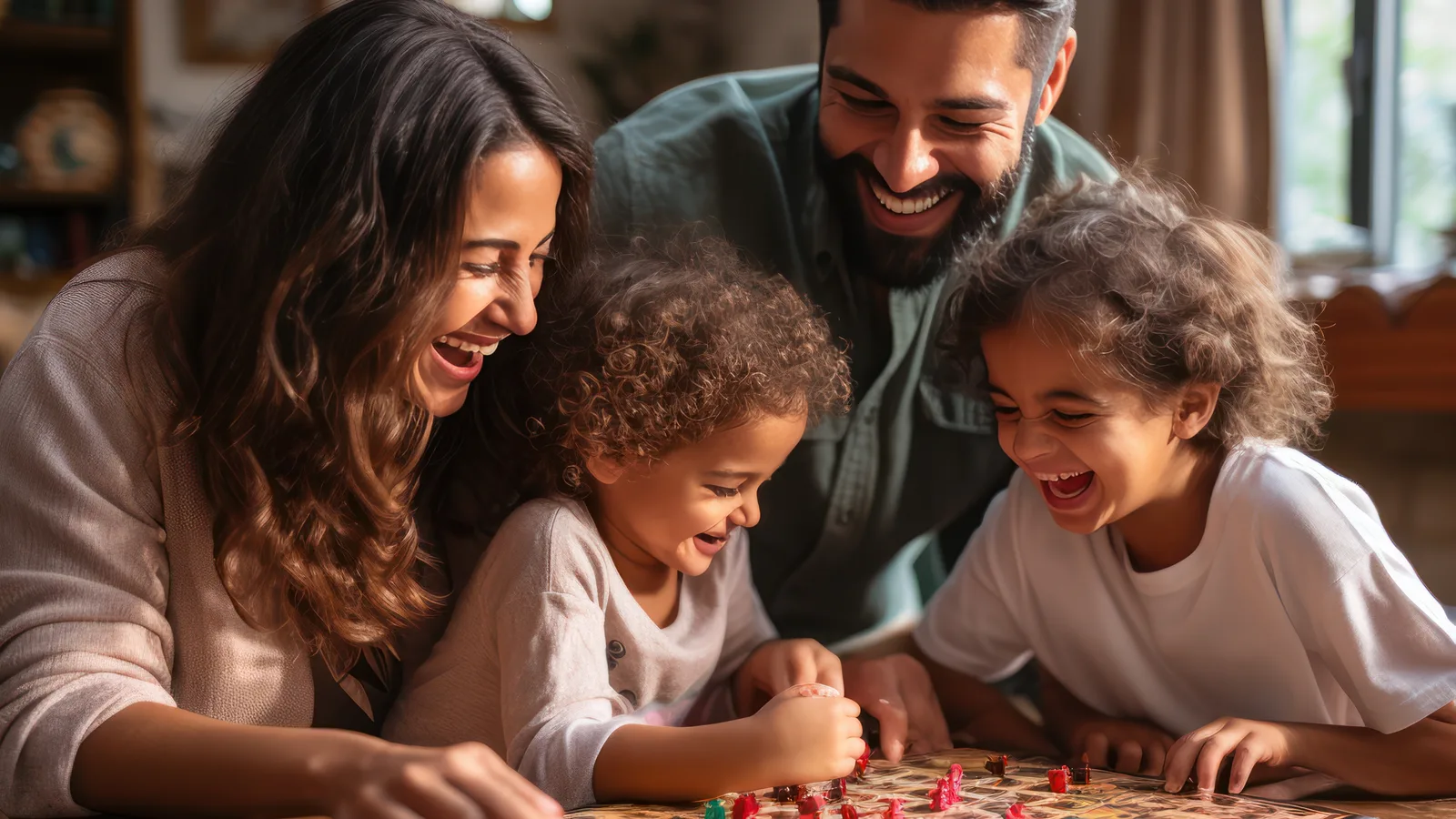
Sometimes, the best family traditions aren’t planned. They appear as a loaf of banana bread baked “just to try,” a Saturday spent learning guitar chords, or an afternoon tending a patch of soil together. What begins as a way to fill the time often becomes something that fills the heart and connects families.
Parents are rediscovering that simple, shared hobbies can build some of the strongest family bonds because they offer what many other activities can’t: the slow, steady rhythm of togetherness woven into ordinary life.
Connection in the Everyday
Between work, school, and screens, families today spend less unstructured time together than ever before. Many parents feel the ache of it - that sense of living side by side but not always fully connected. Family hobbies help bridge that gap through relaxed, shared experiences that bring people closer together.
Research backs this up. A Baylor University study on family leisure found that families who regularly engaged in enjoyable activities at home reported higher levels of family satisfaction than those who spent more time in elaborate outings outside the home. Lead researcher Dr. Karen Melton explained, “All family leisure is not equal. The best predictor of happiness for families may be spending quality time together in familiar activities inside the home.”
Why Shared Hobbies Are So Effective
Family hobbies create what psychologists call “micro-moments of connection,” or repeated experiences that build familiarity, trust, and emotional safety.
A 2025 review published in Issues in Mental Health Nursing found that engaging in hobbies significantly reduces anxiety, depression, and stress, while also fostering stronger feelings of connection.
These benefits can be especially important for children. “One of the best things about a hobby is sharing it. Almost all hobbies provide a shareable accomplishment for a child,” explains Cornell University educator Cathy Sweet.
Licensed marriage and family therapist David Schwartz agrees, adding that well-chosen hobbies can even help discourage poor decision-making. “When a child becomes interested in something that occupies their thoughts and sparks their imagination, it can help them stay focused on those activities and away from the distractions that lead to poor decisions,” he says.
The Joy of Doing, Not Perfecting
Perhaps one of the most appealing aspects of family hobbies is that they invite imperfection. The point isn’t to master bread baking or perfect watercolor technique. It’s to show children that joy doesn’t depend on results.
For example, when families cook together, the kitchen often fills with as much laughter as flour. When they plant a garden, not every seed sprouts, but something else does: patience, teamwork, and the art of trying again. These lessons unfold naturally and easily, without lectures or tears.
Schedule Your Child's Summer Checkup
Get 20% off new patient visits this June at Dentistry for Children. Now accepting families across the River Region.
Hobbies That Bring Families Together
While every family is different, certain types of hobbies seem to create connections more easily than others. Activities that involve all ages, use hands or movement, and invite creativity or discovery tend to be especially effective. Some examples are:
Cooking and Baking: From stirring batter to decorating cookies, the kitchen becomes a classroom for math, patience, and teamwork. Plus, the reward is often sweet or delicious.
Gardening: Tending to something living teaches care, optimism, and rhythm. Kids love seeing the tangible results, and parents love the quiet moments side by side.
Music or Art: Drawing, painting, or learning a few guitar chords together gives families the shared language of color and sound.
Nature Exploration / Geo Caching: Walks, scavenger hunts, or hikes spark curiosity and open conversation in ways that rarely happen indoors.
Games and Puzzles: Simple board games or collaborative challenges turn ordinary nights into low-pressure connection time.
Traditions That Grow on Their Own
Many family hobbies begin as short-lived experiments that quietly evolve into lasting traditions. Maybe every Sunday becomes “new dessert night,” or summer evenings turn into spontaneous nature scavenger hunts. These moments aren’t about scheduling. They’re about shared activities everyone enjoys.
Specialists emphasize that children thrive on predictability. When families create rituals around hobbies, it reinforces a sense of belonging and emotional security. Dr. Whitney Raglin Bignall notes that when children feel this sense of belonging, they’re less likely to experience loneliness.